Why Your MVP Could Flop Before Launch
Understand the hidden pitfalls of MVP failures and equip your team to build the right minimum viable product.
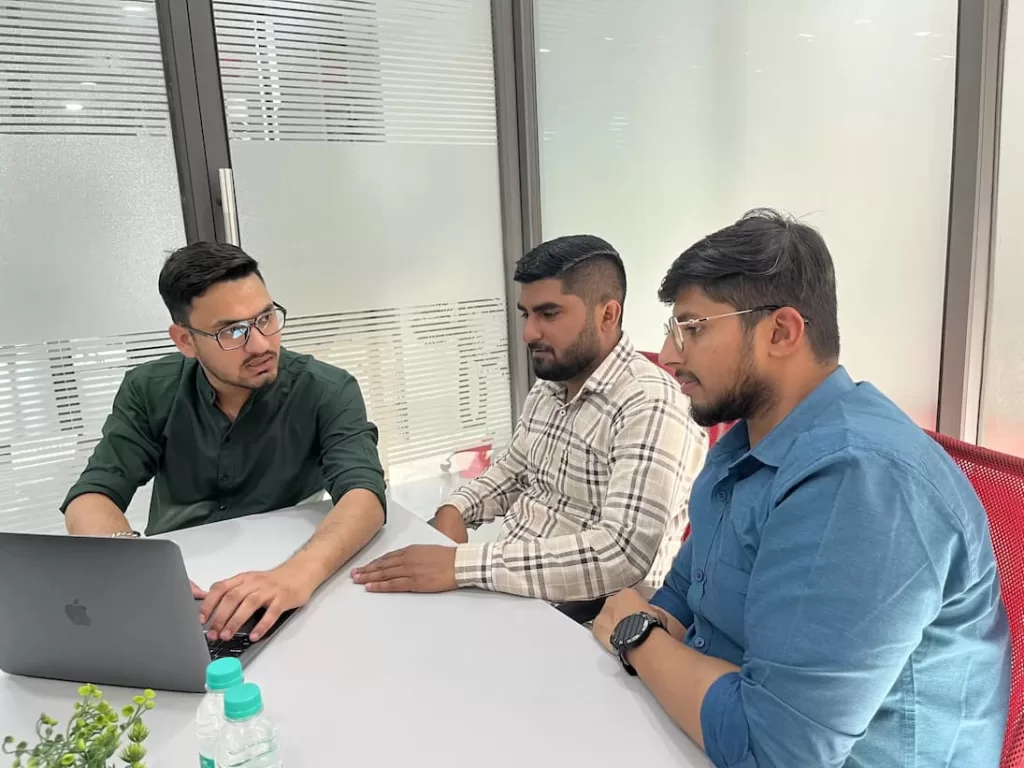
The Hidden Struggle Behind Most MVPs
Bringing a Minimum Viable Product (MVP) to life is often painted as a straightforward milestone: build a lean version of your idea, validate it quickly, and then scale with confidence. In reality, the journey is rarely that linear. Many MVPs fail long before they ever reach their intended audience. Teams invest time, money, and effort only to watch the product stall at the finish line or miss the mark entirely. This isn’t just a startup problem; even established companies exploring new markets or modernizing existing systems face the same challenge.
At its core, an MVP is meant to test assumptions and reduce risk, but without the right foundation, it can do the opposite. Misaligned priorities, rushed development, and a lack of clarity around the true purpose of the MVP often derails the process. Whether you’re a founder betting on a new idea, a CTO juggling competing technical priorities, or a project manager tasked with tight deadlines, understanding why MVPs fail is essential. By uncovering these patterns early, you can avoid wasted resources and position your product for real validation and long-term success.
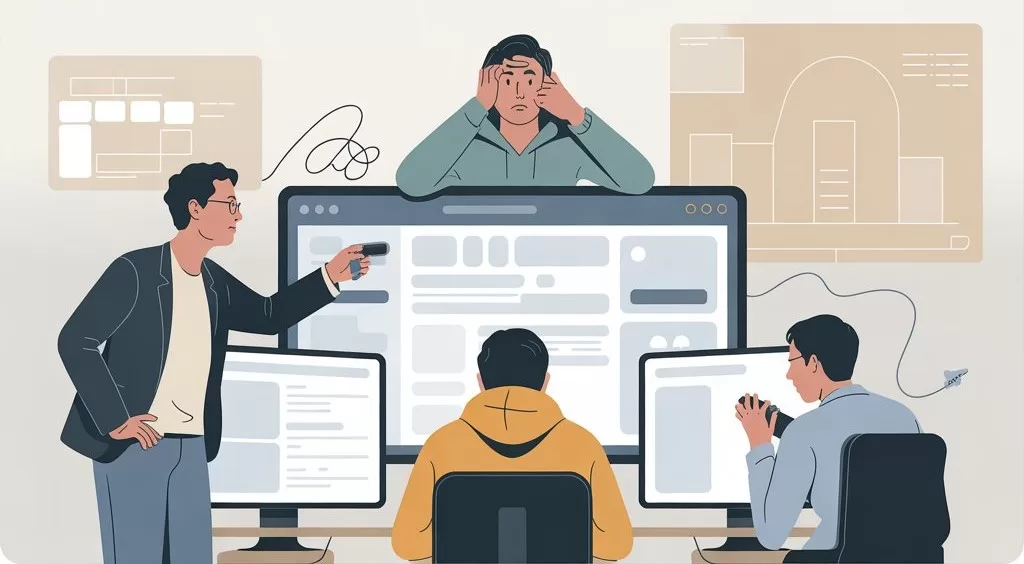
Can an MVP Survive Without Strategy?
Many teams treat MVP development as a race, focusing on launching as quickly as possible. But is speed alone enough? Skipping essential steps like user research, problem validation, and defining the core value proposition often leads to products that fail to connect with their audience. An MVP’s true purpose is to test assumptions and collect meaningful insights, something that can’t be achieved when speed overshadows strategy.
What Makes an MVP Miss Its Mark?
-
Lack of problem clarity:
Many teams jump into building without deeply understanding the core problem they are solving. This leads to MVPs that feel directionless, trying to be “something for everyone” rather than a clear solution for a specific audience.
-
Overcomplicating the product scope:
Instead of focusing on one primary value proposition, teams often pack in multiple features, fearing they might “miss out.” This dilutes the MVP’s purpose and stretches development timelines unnecessarily.
-
Skipping user validation early:
Many MVPs are built on assumptions without testing ideas with real users. Even simple pre-launch surveys, interviews, or clickable prototypes can provide critical insights before investing heavily in development.
-
Measuring vanity metrics:
Teams often look at surface-level data like downloads or website traffic instead of actionable metrics such as retention, activation, and user feedback. This gives a false sense of progress and blinds them to underlying product issues.
-
Ignoring technical feasibility:
Building an MVP without considering scalability or system limitations can lead to instability, delays, and wasted resources. Technical validation early on ensures that the product can evolve if it gains traction.
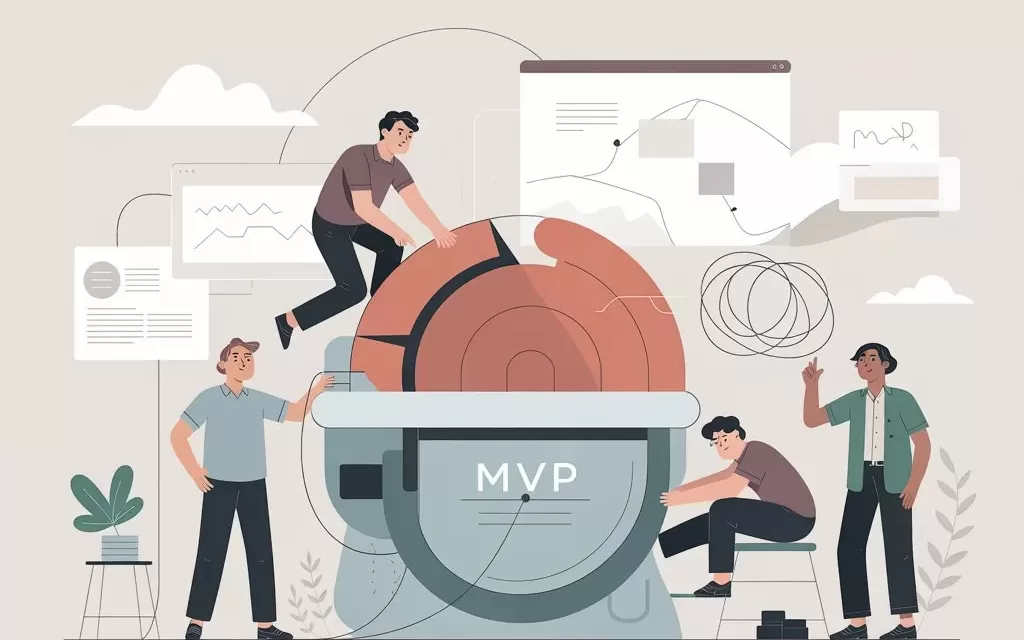
What Steps Boost MVP Success Pre-Launch?
-
Validate Demand with Low-Fidelity Tools:
Use landing pages, prototypes, or even manual workflows to test interest before building a full minimum viable product. This saves time and resources.
-
Set realistic launch timelines:
Overly aggressive deadlines push teams to release incomplete MVPs. Give enough time for development, testing, and incorporating user feedback without losing momentum.
-
Communicate the MVP’s purpose clearly:
Everyone on the team should know why the MVP exists and how it fits into the larger product vision. This clarity drives better decision-making.
-
Adopt a learn-first mindset:
Treat the MVP as an experiment, not a finished product. Be ready to pivot, iterate, or even scrap features if the data shows they’re not working.
-
Plan post-launch actions in advance:
A successful minimum viable product is only the start. Prepare next steps for scaling, feature expansion, or even redefining your approach based on validated learning.
MVP Launch Readiness Checklist
-
Ensure usability is friction-free:
Test the MVP with real users to confirm they can accomplish its core purpose without confusion.
-
Verify technical stability:
Conduct basic performance and security checks to avoid failures that could damage trust during early adoption.
-
Prepare user support channels:
Even a lean MVP should have a way for users to report issues and ask questions easily.
-
Communicate expectations clearly:
Let early adopters know it’s a minimum viable product designed for
learning, not a final release. -
Set up measurement tools:
Have analytics in place to track engagement, retention, and feedback from day one.
Scaling Beyond the MVP Stage
-
Analyze feedback before adding features:
Avoid expanding based on assumptions; prioritize changes that solve verified user pain points.
-
Refine your value proposition:
Use MVP learnings to sharpen messaging and ensure clarity in what the product delivers.
-
Build for scalability deliberately:
Strengthen technical architecture step by step so growth doesn’t break the product.
-
Invest in stronger onboarding:
Smooth onboarding accelerates adoption as you move from MVP to a more robust product.
-
Reassess Your Market Positioning:
Validate whether your target audience or market strategy needs to evolve post-MVP.
Are you Ready to Build an MVP That Wins?
At Tech Formation, we help founders, CTOs, and product teams design and build MVPs that are lean, strategic, and market-ready from day one. Our approach combines deep product strategy, user-focused design, and scalable development so you can validate ideas quickly and confidently. Whether you’re starting from scratch or refining an existing concept, we’ll guide you through every step, from defining the right scope to preparing for launch and beyond. Let’s work together to turn your vision into an MVP that makes a real impact.
FAQs
1. How do I know if my MVP budget is realistic?
Many teams underestimate the cost of building a minimum viable product. The budget should account for design, development, testing, user research, and a buffer for iterations. We can help you scope accurately based on your goals and available resources.
2. What’s the best way to choose the right tech stack for my MVP?
Your tech stack should match your product’s goals, scalability needs, and team expertise. Avoid chasing trends; instead, focus on proven technologies that can grow with your product.
3. How much user feedback is enough before launch?
There’s no magic number, but aim for consistent feedback from a representative sample of your target users. The key is quality. Ensure insights are actionable and aligned with your MVP’s purpose.
4. How do I balance speed with building a quality MVP?
Use a clear roadmap that prioritizes core features only. Work in short sprints, review frequently, and test early to prevent last-minute rework while still maintaining quality.
5. How do I protect my idea during MVP development?
Consider NDAs with external partners and secure code repositories. More importantly, focus on speed to market and execution excellence, which often matter more than the idea itself.
Unsure What Comes Next?
We'll help you find the clearest, smartest path forward.


Article by
Kirandeep Kaur
Business Development Executive
Kirandeep connects businesses with tailored tech solutions at Tech Formation, specializing in building strong client relationships and driving growth through strategic outreach. The role involves identifying opportunities, nurturing collaborations, and helping brands transform ideas into innovative digital solutions.
Let’s Connect and Create Something Remarkable